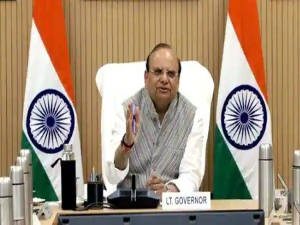

New Delhi (26.12.2025): In a significant administrative overhaul issued in December 25, 2025, the Lieutenant Governor (LG) of Delhi V K Saxena has redrawn the city's revenue map. The move effectively synchronizes the city's administrative boundaries with its municipal zones, aiming to end decades of jurisdictional confusion.
What does this development mean to Delhi?
1. The Number: 13 Districts and 39 Sub-Divisions
The restructuring increases the number of revenue districts and sub-divisions to offer better governance to the people.
Revenue Districts/Areas: Increased from 11 to 13.
Sub-Divisions/Tehsils: Increased from 33 to 39.
Sub-Registrar Offices: Increased from 22 to 39 (now one for every sub-division).
2. "Co-terminus" Alignment
The most critical part of this notification is making boundaries co-terminus. Previously, a single residential colony might fall under one district for land records (Revenue) but a completely different zone for property tax or building plans (MCD).
Now, the 13 Revenue Areas perfectly match the 12 MCD Zones plus the NDMC/Delhi Cantt area.
This means SDM (Sub-Divisional Magistrate) and MCD Deputy Commissioner will now oversee exactly the same geographical area.
3. Key Changes to the Map
New Districts Created: Three new districts have been introduced: Old Delhi, Central North, and Outer North.
Shahdara District Removed: The existing Shahdara district has been scrapped, with its areas redistributed into "Shahdara North" and "Shahdara South" to align with municipal terminology.
Renamed/Restructured Zones: Areas like Najafgarh and Rohini have been elevated or adjusted to ensure balanced workloads for officials.

Administrative overhaul: Delhi LG re-constitutes 39 Sub-Divisions/Tehsils & 13 Areas for NCT of Delhi
By IndianMandarins - 2025-12-26 10:00:00
New Delhi (26.12.2025): In a significant administrative overhaul issued in December 25, 2025, the Lieutenant Governor (LG) of Delhi V K Saxena has redrawn the city's revenue map. The move effectively synchronizes the city's administrative boundaries with its municipal zones, aiming to end decades of jurisdictional confusion.
What does this development mean to Delhi?
1. The Number: 13 Districts and 39 Sub-Divisions
The restructuring increases the number of revenue districts and sub-divisions to offer better governance to the people.
Revenue Districts/Areas: Increased from 11 to 13.
Sub-Divisions/Tehsils: Increased from 33 to 39.
Sub-Registrar Offices: Increased from 22 to 39 (now one for every sub-division).
2. "Co-terminus" Alignment
The most critical part of this notification is making boundaries co-terminus. Previously, a single residential colony might fall under one district for land records (Revenue) but a completely different zone for property tax or building plans (MCD).
Now, the 13 Revenue Areas perfectly match the 12 MCD Zones plus the NDMC/Delhi Cantt area.
This means SDM (Sub-Divisional Magistrate) and MCD Deputy Commissioner will now oversee exactly the same geographical area.
3. Key Changes to the Map
New Districts Created: Three new districts have been introduced: Old Delhi, Central North, and Outer North.
Shahdara District Removed: The existing Shahdara district has been scrapped, with its areas redistributed into "Shahdara North" and "Shahdara South" to align with municipal terminology.
Renamed/Restructured Zones: Areas like Najafgarh and Rohini have been elevated or adjusted to ensure balanced workloads for officials.