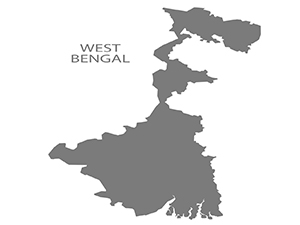
New Delhi (22.01.2025): The protracted administrative standoff over West Bengal’s top policing post has entered a critical final phase. Following a stern mandate from the Central Administrative Tribunal (CAT), the West Bengal government has finally submitted a revised list of candidates to the Union Public Service Commission (UPSC) for the appointment of a permanent Director General of Police (DGP).
The move comes as a response to a legal challenge that highlights a significant breach of established protocol. While the Supreme Court guidelines require states to submit names three months prior to a DGP’s retirement, the Bengal administration reportedly waited until July 2025, nearly 18 months after the vacancy occurred, to initiate the process.
The "Acting" DGP Conundrum
Since Manoj Malviya’s retirement in late 2023, the state’s law enforcement has been led by Rajeev Kumar (IPS: 1989: WB) in an "acting" capacity. This reliance on ad-hoc leadership has frequently drawn criticism from legal circles and opposition parties, who argue it bypasses the transparency intended by the UPSC empanelment process.
The Race Against the Clock:
The legal intervention was catalysed by a petition from Rajesh Kumar, a senior IPS officer who argued that the state’s "lethargic" approach threatened his right to be considered for the top job.
The timeline is now razor-thin with January 23 being the last day for the state to submit the final list which has already been submitted. UPSC has been asked to convene the empanelment committee by January 28 and the list of three officers must return to the state by January 29. Both key contenders, Rajeev Kumar and Rajesh Kumar, are scheduled to retire on January 31, 2026.
This scramble highlights a recurring friction point between State and Central authorities regarding the autonomy of police appointments. By delaying the list until the "eleventh hour," the state has effectively forced a situation where the new DGP must be selected within 48 hours of the candidates' retirement dates.
If the UPSC follows the CAT’s expedited timeline, the state will have no further room for manoeuvre, ending over two years of administrative uncertainty.