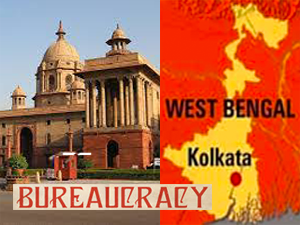
New Delhi (10.05.2026): With the change of guard with Saffron into power, a palpable sense of optimism is sweeping through the corridors of the state secretariat, Nabanna in West Bengal.
For the state’s All India Service (AIS) officers, the transition to a ‘double-engine’ administration is being viewed not merely as a political shift, but as a long-awaited structural liberation from a system many described as a "bureaucratic graveyard."
Senior officials close to the cadre suggest that for over a decade, the "Bengal brand of administration" remained largely unchanged despite the transition from Left rule to the Trinamool Congress (TMC). Under the previous regime, the administrative superstructure was widely perceived to be subservient to party cadres, who often exercised supremacy over the formal machinery.
For years, the professional autonomy of bureaucrats was sidelined to accommodate the will of local party units. The hierarchy was inverted; the cadre was the driver, and the officer was in the backseat.
Perhaps the most significant grievance among the IAS and IPS fraternity was the previous government’s restrictive policy on Central Deputation. By frequently denying ‘No Objection Certificates’ (NOCs) for officers seeking roles in New Delhi, the administration effectively stalled their exposure to national policymaking and restricted their career progression. This isolation, critics argue, denied the cadre a critical learning curve and created a stagnant environment.
However, with the "Saffron" government now in power both at the Centre and in the State, bureaucrats are expressing a quiet sigh of relief. The arrival of the "double-engine" model is expected to reopen the gates for central postings and restore a more traditional, rule-bound administrative culture.
"There is a newfound optimism," noted another official. "The expectation now is for a professional workspace where merit and administrative protocol take precedence over political gatekeeping. The hope is that Bengal will no longer be an island, but a proactive participant in the national administrative mainstream."
(By Rakesh Ranjan)
ALSO READ: