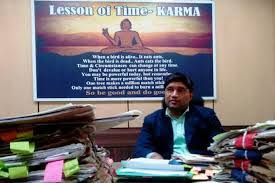
New Delhi (14.03.2026): Sanjiv Chaturvedi (IFoS: 2002: UK) officer has emerged as one of the most cited real-life administrative examples in UPSC Civil Services Examination ethics preparation material. Across leading General Studies Paper IV (Ethics, Integrity and Aptitude) modules used for UPSC Mains preparation, Chaturvedi’s whistle-blower record is now being presented as a practical case study under themes such as integrity, accountability, ethical courage, whistle-blower protection, and administrative resistance to corruption.
His name repeatedly mentioned almost in every coaching ecosystems – IASbaba, Insights IAS, Vision IAS, Drishti IAS, Sleepy Classes and Rau’s IAS Study Circle – to name a few indicates that his administrative journey has moved beyond public controversy into the structured teaching framework used by thousands of civil services aspirants.
Course material from leading civil services coaching institutes shows that Chaturvedi’s administrative record is now being used as a standard ethics illustration. These institutes use contemporary examples to help candidates strengthen answer-writing in ethics papers.
How his career fits GS-4 ethics framework:
Educators providing guidance for Civil Services note that Chaturvedi’s career aligns closely with major UPSC ethics themes because it touches almost every recurring GS-4 keyword.
Themes Linked to His Case
- Integrity despite institutional pressure
- Accountability in public office
- Courage of conviction
- Whistle-blower vulnerability
- Public interest over career security
- Ethical leadership under adversity
All these aspects make his case highly adaptable in ethics answers.
Administrative record behind the ethics case study
The IFoS officer has remained nationally known for anti-corruption interventions during official assignments. They included:
- Exposing alleged irregularities in forest administration in Haryana
- Raising vigilance issues at All India Institute of Medical Sciences
- Pursuing administrative accountability in multiple institutions
His activism and war against corruption drew not only national attention but global recognition as well when he received the Ramon Magsaysay Award for public service and integrity.
Serving officer to classroom ethics example:
Unlike historical ethics examples often used in UPSC preparation, Chaturvedi remains a contemporary serving officer whose career decisions are now regularly adapted into answer-writing frameworks. His name mentioned alongside widely used ethics references such as Vinod Rai for auditing integrity and Kiran Bedi for administrative courage. This places him within the standard set of “ready examples” candidates use in GS-4 answers.
Why Real Officers Matter in UPSC Ethics Preparation:
UPSC mentors increasingly encourage aspirants to use contemporary administrative examples because real cases improve answer credibility.
Such examples help in:
- Introductions
- Conclusions
- Case-study solutions
- Value-based administrative answers
Aspirants often use real officers to make ethical arguments more grounded and convincing.
Continuing Relevance Beyond Ethics Material:
Chaturvedi is also known for legal and administrative transparency besides his whistleblower reputation including challenges linked to empanelment and 360-degree appraisal systems.
Larger Significance:
The repeated inclusion of his name across independent coaching platforms suggests broader academic acceptance of his service record as a benchmark case of ethical resistance in Indian administration. For UPSC aspirants, this means his example now functions not merely as biography but as a structured ethics reference.